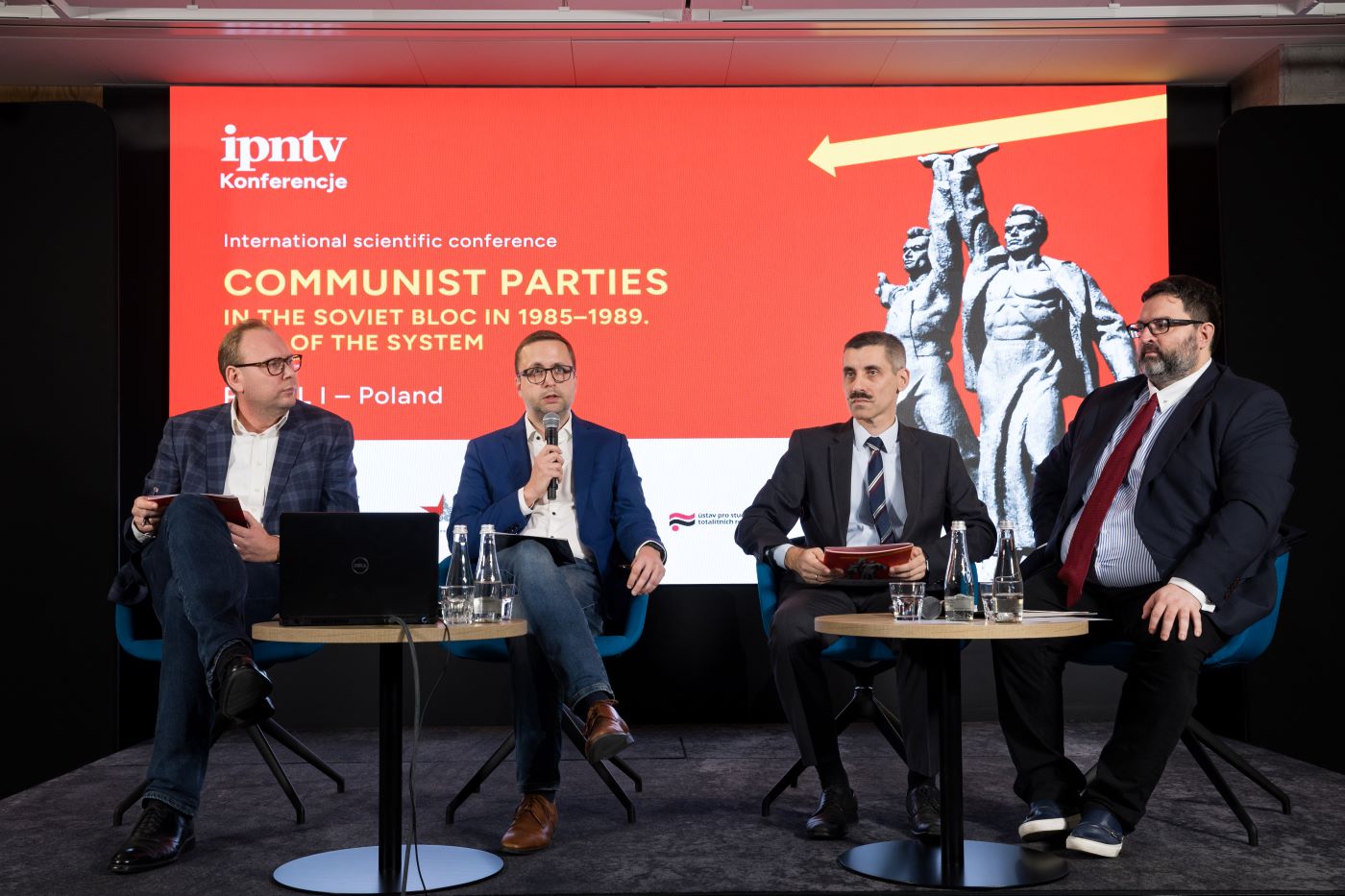
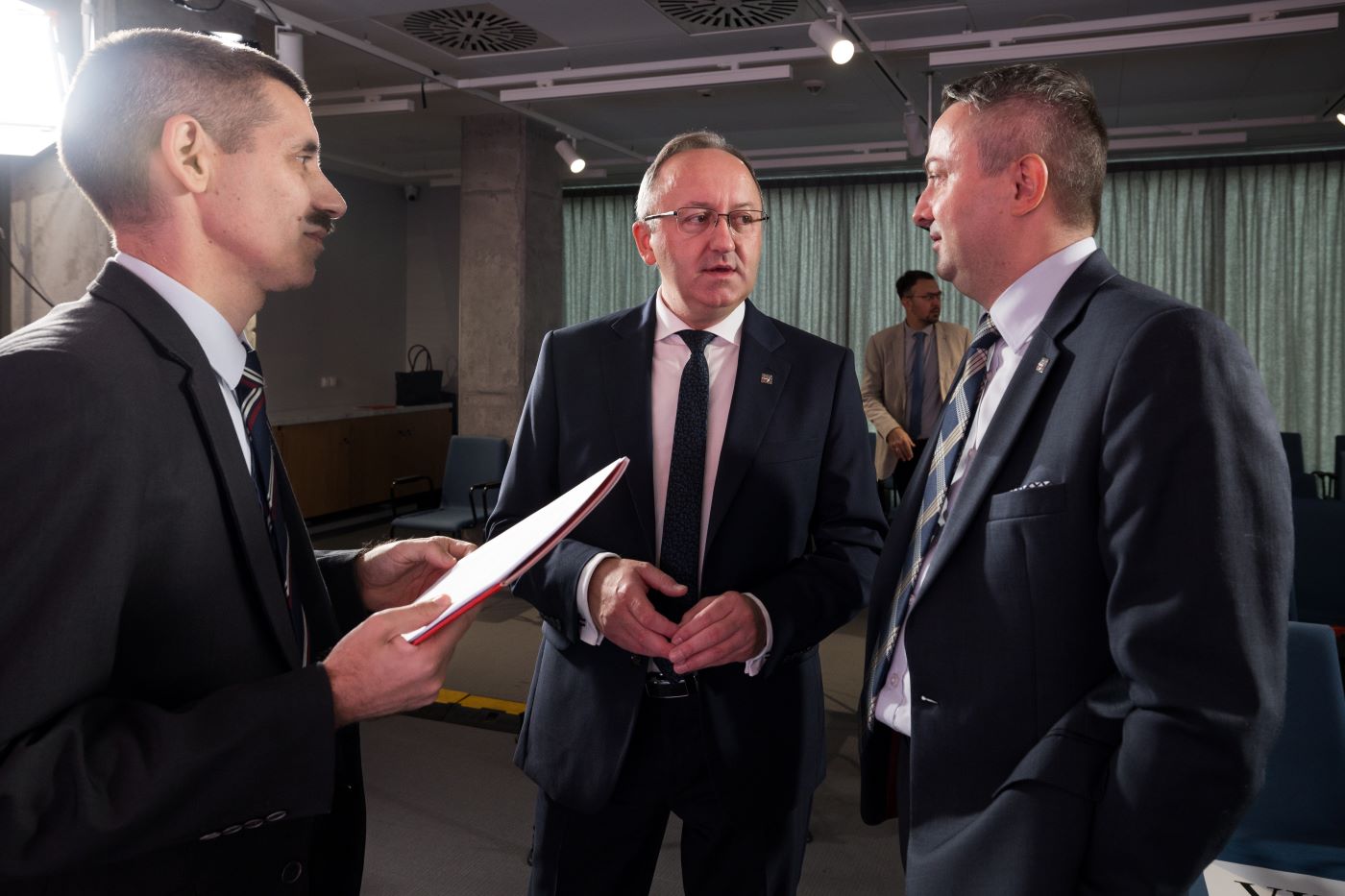
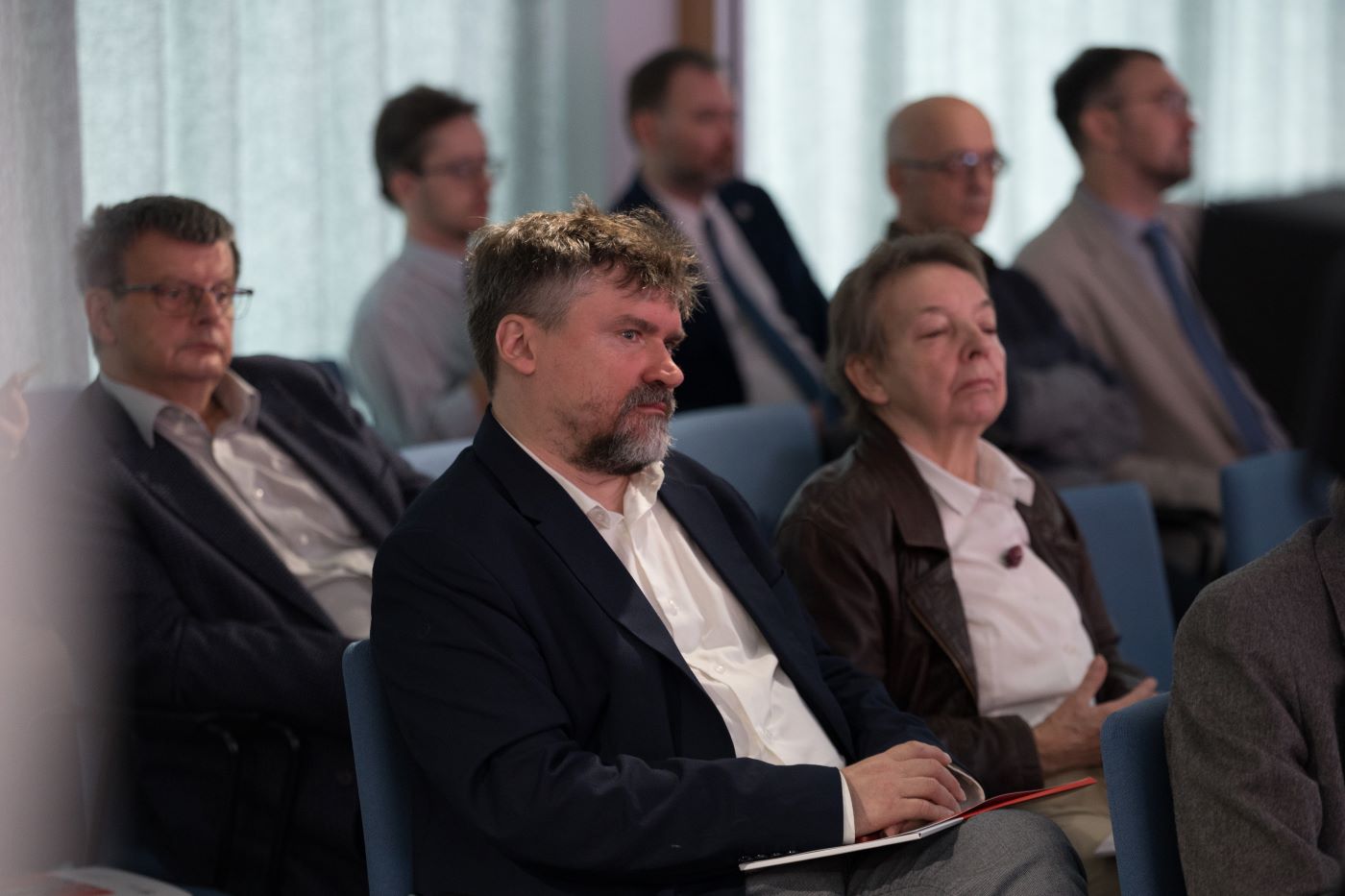
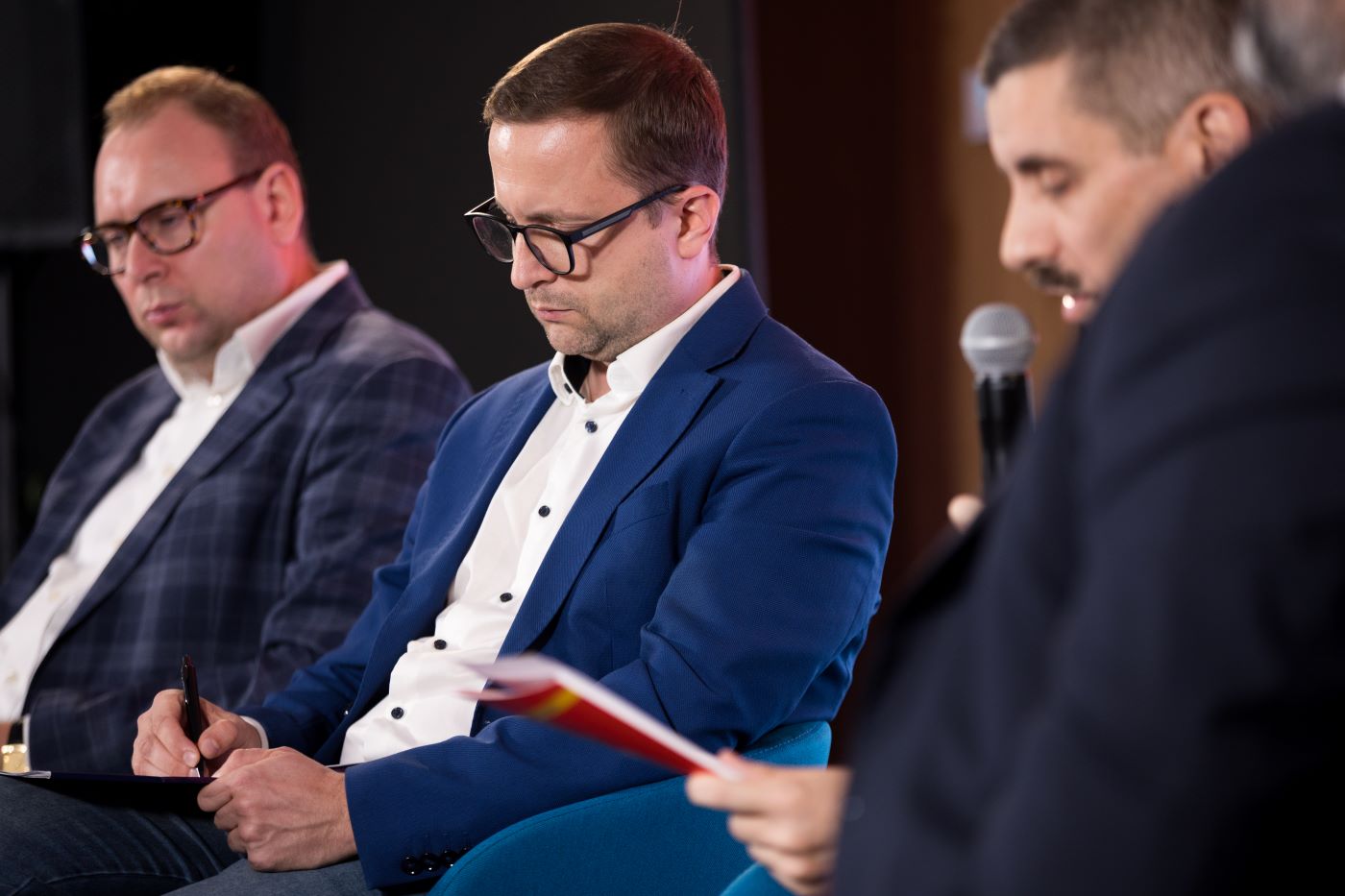
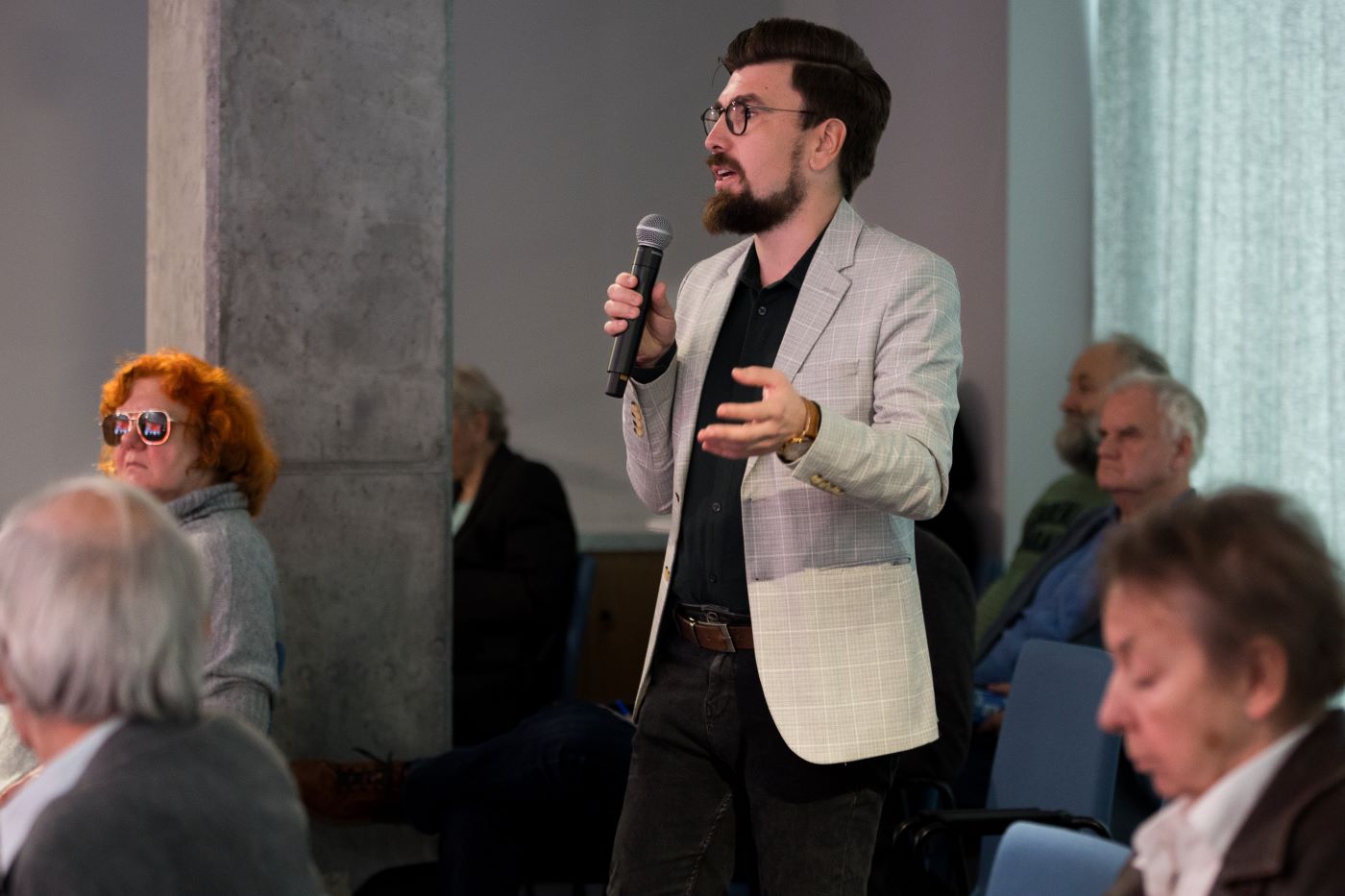
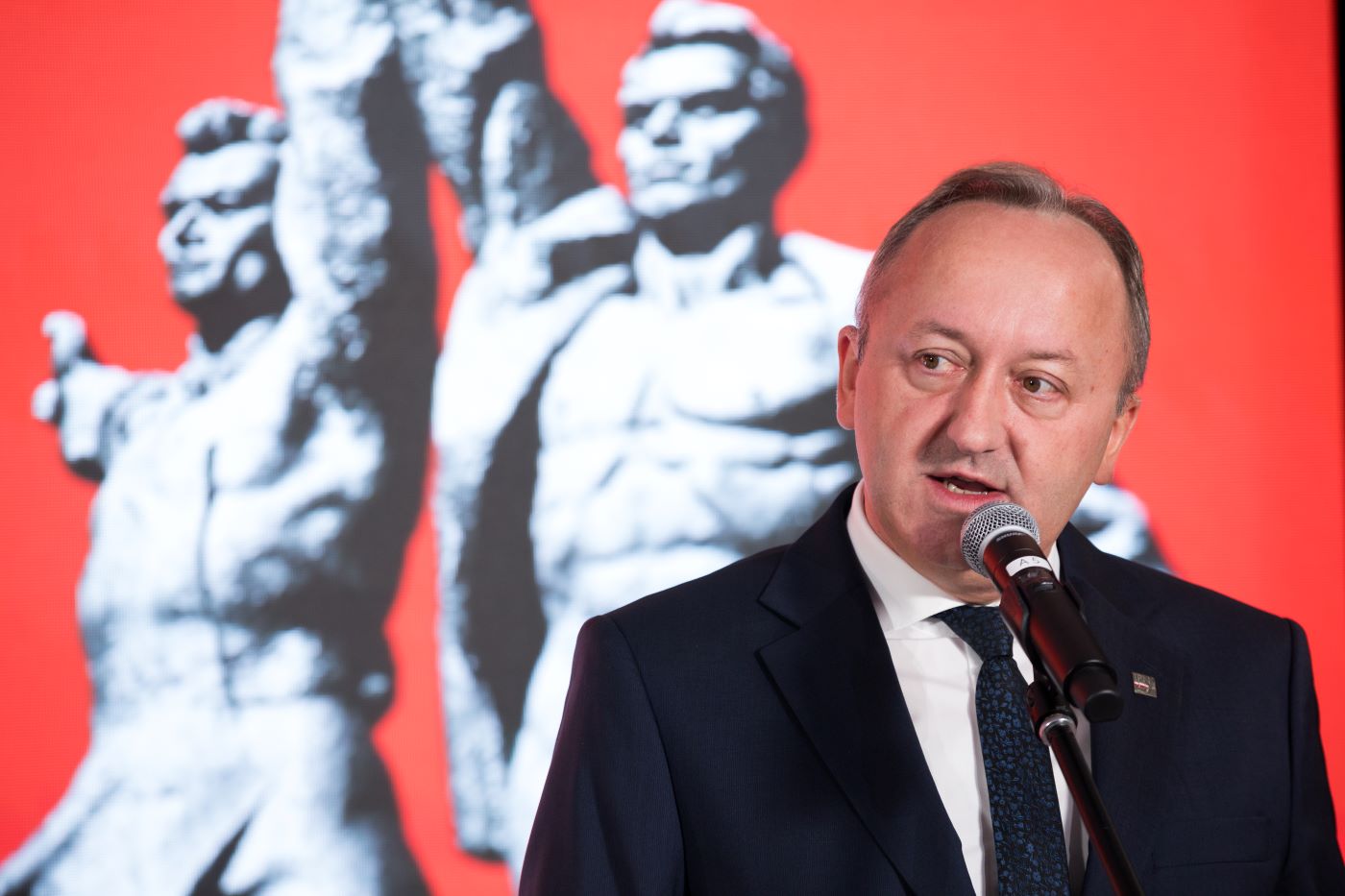
W dniach 9–10 października 2024 r. w Centralnym Przystanku Historia IPN im. Prezydenta Lecha Kaczyńskiego odbywa się międzynarodowa konferencja naukowa pt. Communist Parties in the Soviet Bloc in 1985–1989. Fall of the system. Wydarzenie zorganizowało Biuro Badań Historycznych Instytutu Pamięci Narodowej we współpracy z partnerskimi instytucjami z krajów Grupy Wyszehradzkiej: słowackim Instytutem Pamięci Narodu (UPN), węgierskim Komitetem Pamięci Narodowej (NEB) i czeskim Instytutem Badania Reżimów Totalitarnych (USTR). W konferencji biorą udział naukowcy z Polski, Czech, Słowacji, Węgier, Rumunii, Bułgarii, Serbii i Słowenii.
Konferencję otworzył zastępca prezesa IPN dr hab. Karol Polejowski, który odczytał list prezesa IPN dr. Karola Nawrockiego:
– Celem tegorocznej konferencji jest analiza porównawcza działalności partii komunistycznych, sprawujących władzę w krajach Europy Środkowo-Wschodniej po roku 1944, pod kątem ich cech wspólnych i różnic. Integracja środowiska badaczy z krajów naszego regionu, którzy badają te zjawiska, nadała tej dyskusji nowy wymiar. Podczas konferencji zostanie przeanalizowany okres, kiedy kryzys systemu komunistycznego w całym bloku sowieckim doprowadził do jego upadku. Ten proces rozpoczął się w Polsce.
***
Celem konferencji jest ukazanie działalności i rozwoju partii komunistycznych w bloku sowieckim w ostatnim okresie jego istnienia – od wyboru Michaiła Gorbaczowa na sekretarza generalnego Komitetu Centralnego KPZR (1985) do „Jesieni Narodów”, transformacji i upadku systemu. Głównymi zagadnieniami omawianymi na konferencji będą: reakcja partii komunistycznych na politykę pierestrojki w ZSRS; postawy partii wobec zmian w polityce międzynarodowej; współpraca międzynarodowa partii komunistycznych; próby reformowania gospodarki przez partie komunistyczne; zmiany kadrowe we władzach partyjnych; stanowisko partii komunistycznych wobec działalności opozycyjnej i protestów społecznych.
Konferencja odbywa się w dniach 9–10 października 2024 r. w Warszawie w Centralnym Przystanku Historia im. Prezydenta Lecha Kaczyńskiego (biurowiec Central Point, ul. Marszałkowska 107 – wejście od ul. Świętokrzyskiej). Organizatorem merytorycznym wydarzenia jest prof. Mirosław Szumiło (BBH IPN). Wstęp wolny. Zapis konferencji będzie dostępny na kanale IPNtv w późniejszym terminie. Językiem konferencji będzie jęz. angielski.
Wednesday, 9 October
10.00–10.20 Opening of the conference
10.20–11.40 PANEL I: Poland
- Tomasz Kozłowski, Ph. D.
(IPN Historical Research Office, Institute of Political Studies of the Polish Academy of Sciences)
Jaruzelski between East an d West. Geopolitical Determinants of Reforms in Poland (1985–1989) - Prof. Mirosław Szumiło
(IPN Historical Research Office, Maria Curie-Sklodowska University in Lublin)
The leadership of the Polish United Workers’ Party in 1988–1990 - Rafał Łatka, associate professor
(IPN Historical Research Office, Cardinal Stefan Wyszyński University in Warsaw)
Wojciech Jaruzelski’s strategy of action against the Church in Poland (1985–1989) - Discussion
11.40–12.00 Coffee break
12:00–1:30 PANEL II: Poland in international relations
- Przemysław Gasztold, Ph.D.
(IPN Historical Research Office, War Studies University)
PUWP’s Foreign Policy and the Future of Marxism. Relations with Third World Communist and Revolutionary Parties (1985–1989) - Sylwia Szyc, Ph.D.
(IPN Historical Research Office)
The Twilight of Fraternal Friendship: Polish-North Korean Relations in the late 1980s - Daniel Filip-Afloarei, Ph.D.
(The Institute for the Investigation of Communist Crimes and the Memory of the Romanian Exile)
The relations between the Romanian Communist Party and the Polish United Workers’ Party under Gorbachev’s „reign” - Discussion
1:30–2:30 Break
2:30–3:50 PANEL III: Hungary
- Pál Germuska, D.Sc.
(Office of the Committee of National Remembrance, Hungary)
Reforming Socialism or Building Capitalism? The International Financial Institutions and the Hungarian Economic Reforms in the second half of the 1980s - Attila Apor, Ph.D. candidate
(Pazmany Peter Catholic University in Budapest, Hungary)
The Fall of János Kádár. The May 1988 Party Conference and its Consequences - Gábor Szilágyi, Ph.D.
(Office of the Committee of National Remembrance, Hungary)
Why Did It Have To Be Grósz? Candidates and Alternatives for János Kádár’s Succession - Discussion
3:50–4:10 Coffee break
4:10–6:00 PANEL IV: Czechoslovakia
- Tomáš Malínek, Ph.D.
(Institute for the Study of the Totalitarian Regimes, Czech Republic)
The Communist Party of Czechoslovakia and its response to the East German refugee crisis in 1989 - Martin Halmo
(Nation’s Memory Institute, Slovakia)
Too little – too late. The Period of Reconstruction in Czechoslovakia through the lens of the documents of the Communist Party of Slovakia - Peter Jašek, Ph.D.
(Nation’s Memory Institute, Slovakia)
Communist Party of Slovakia and its attitude towards the public opposition movement from the Candle Manifestation to the Gentle Revolution. Between the hard line and dialogue - Adam Bielesz, Ph.D.
(Nation’s Memory Institute, Slovakia)
Meetings of the Central Committee of the Communist Party of Slovakia during the Velvet Revolution - Discussion
Thursday, 10 October
10:00–11:20 PANEL V: Bulgaria and Romania
- Anton Mioara, Senior Researcher
(„Nicolae Iorga” Institute of History, Romanian Academy)
The final countdown. Nicolae Ceaușescu at the end of the totalitarian utopia - Detelina Dineva, Ph.D.
(Institute for Historical Studies, Bulgarian Academy of Sciences)
The Process of Perestroika and Bulgaria - Krasimira Todorova, Ph.D.
(Sofia University St. Kliment Ohridski, Bulgaria)
The fall of the Communist Regime in Bulgaria (1989–1990) - Discussion
11:20–11:40 Coffee break
11:40–12:45 PANEL VI: Yugoslavia
- Prof. Aleksandar Životić
(Department of History of Yugoslavia Faculty of Philosophy, Belgrade University, Serbia)
League of Communists of Yugoslavia and political changes in the Soviet Union (1985–1989) - Aleš Gabrič, Ph.D.
(Institute of Contemporary History in Ljubljana, Slovenia)
Intellectuals as opposition in Slovenia in the 1980s
12:45 Discussion and closing of the conference